Living and running a creative business on a narrowboat is a dream for many, but for a maker it comes with a unique set of challenges—mostly involving the “S” word: space.
When we started Loveday and Skip, I knew my studio would be compact. What I didn’t quite anticipate was just how creative you have to become when your entire workshop floats on water.
There is a certain magic to crafting jewellery while watching canal life drift past the window. Ducks paddle by, the water gently knocks against the hull, and the light shifts constantly across the workbench. It’s peaceful and grounding in a way that traditional studios rarely are.
But narrowboats are wonderfully honest spaces. There’s nowhere to hide clutter.
And as any maker knows… stash creep is real!
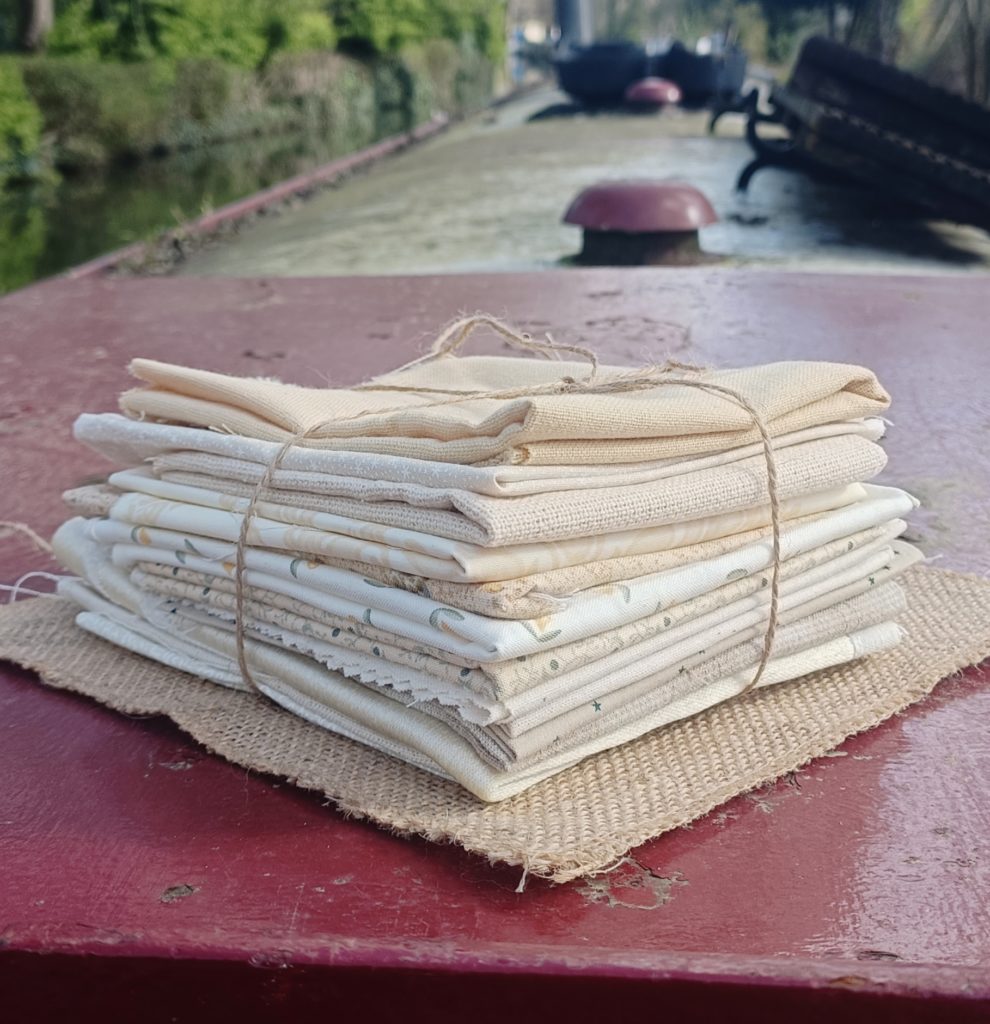
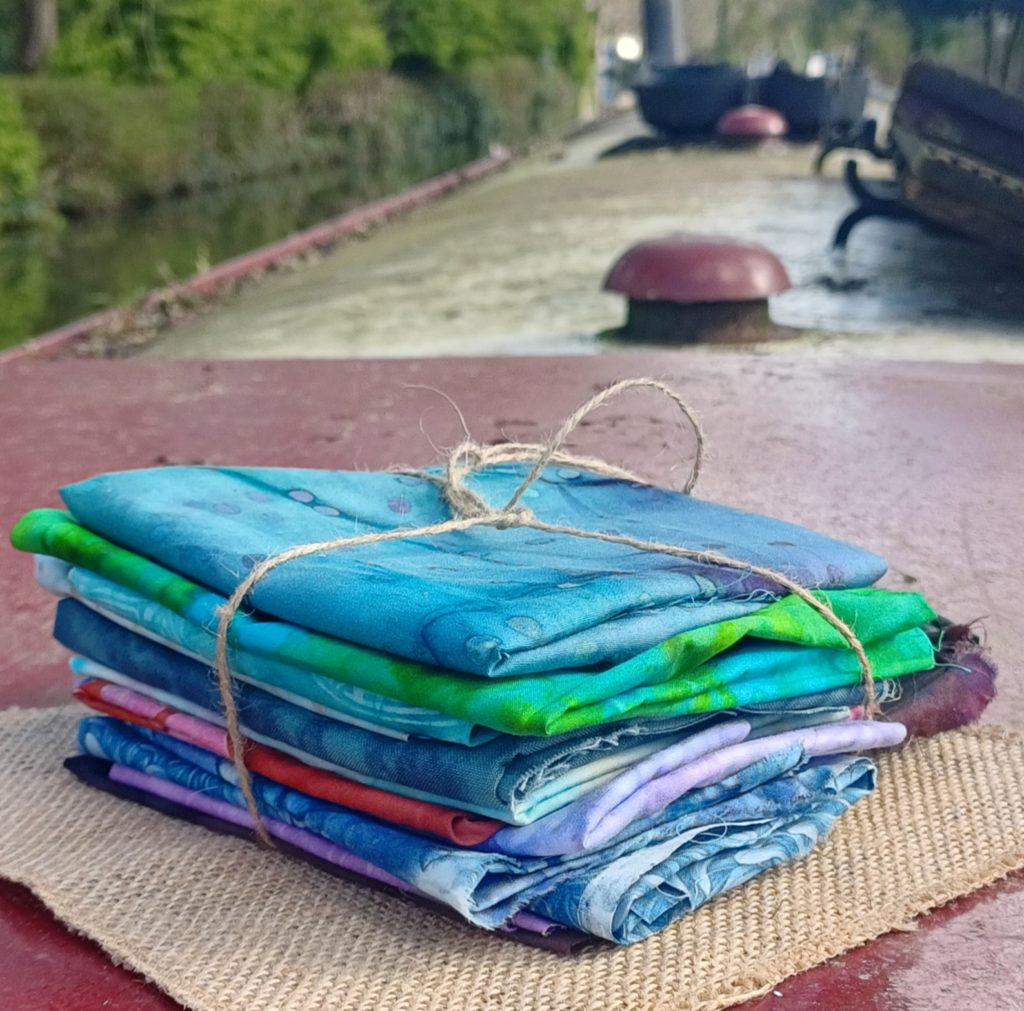
Between sterling silver spoons waiting to become rings, little tins of gemstones, tools, pliers, polishing cloths, and a lifetime’s collection of beautiful textiles, my floating sanctuary slowly began to feel less like a calm studio and more like a very cramped floating warehouse.
Something had to change.
The reality of making in a tiny studio
Running a creative business in a tiny home means every item has to earn its place.
On land you might have a craft room, shelves, cupboards, maybe even a garage. On a narrowboat, your workspace might be a single table that also occasionally becomes a dining table, a packaging station, and somewhere to drink tea.
Storage becomes a constant puzzle.
Tools live in tins.
Fabrics are folded and stacked like puzzles.
Beads hide in tiny glass jars.
Every shelf has to work twice as hard.
But perhaps the biggest challenge isn’t physical space — it’s mental space.
When your studio becomes crowded, creativity can start to feel crowded too.
The “zero-waste studio” shift
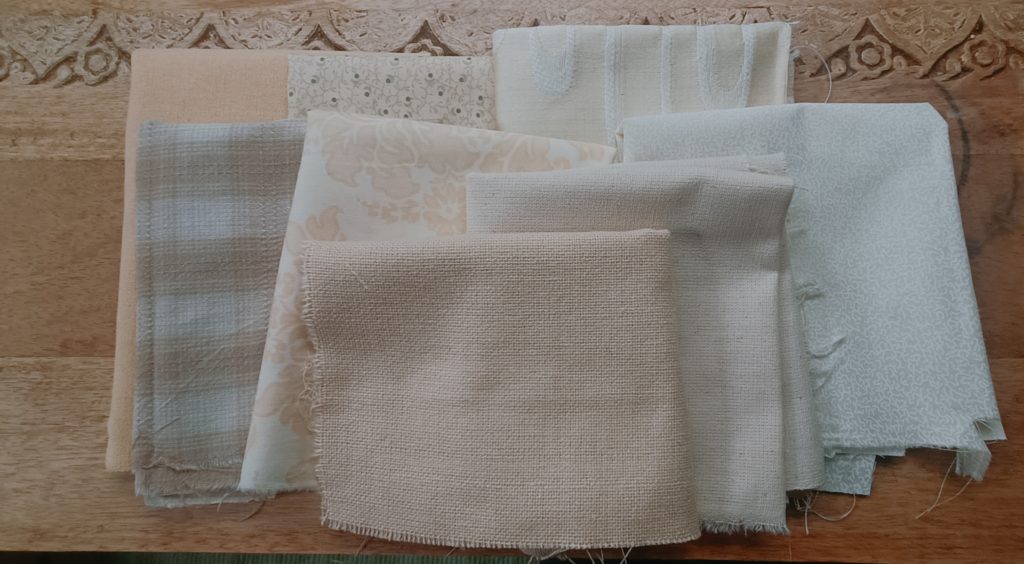
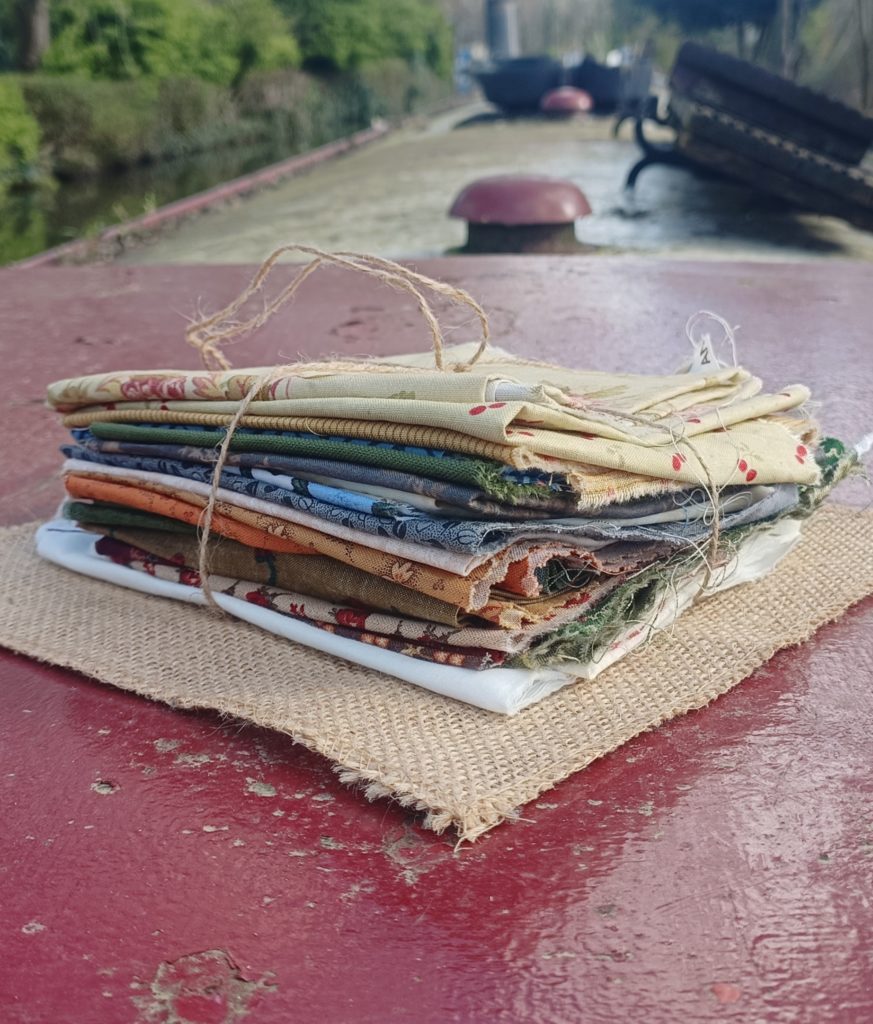
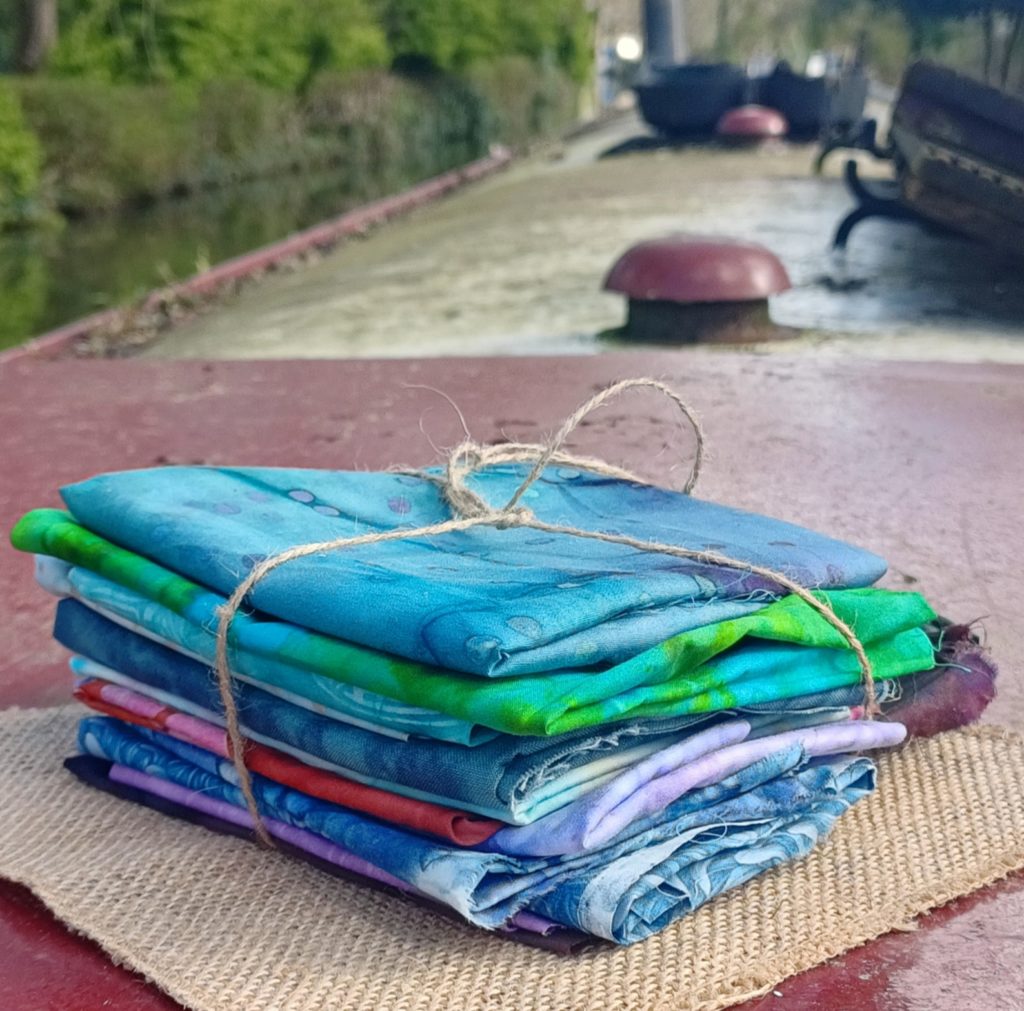
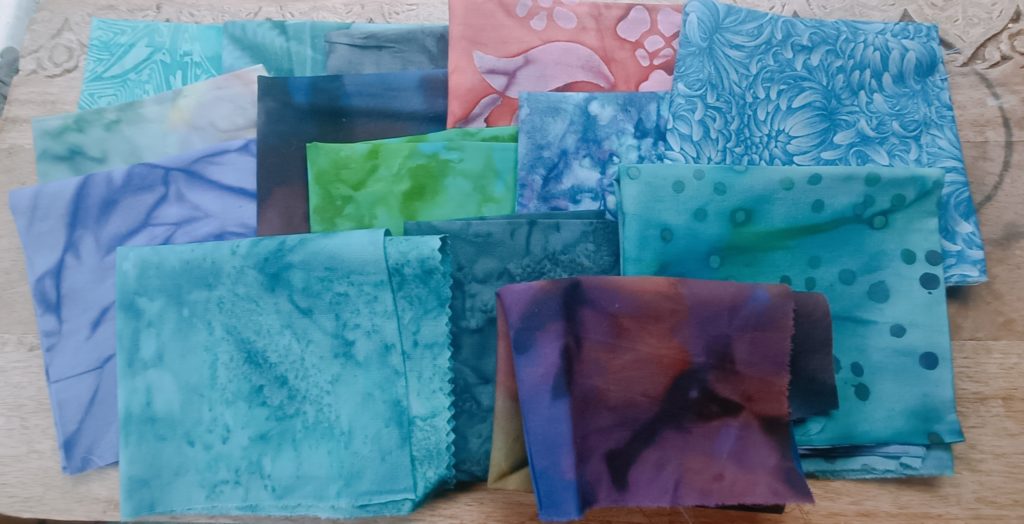
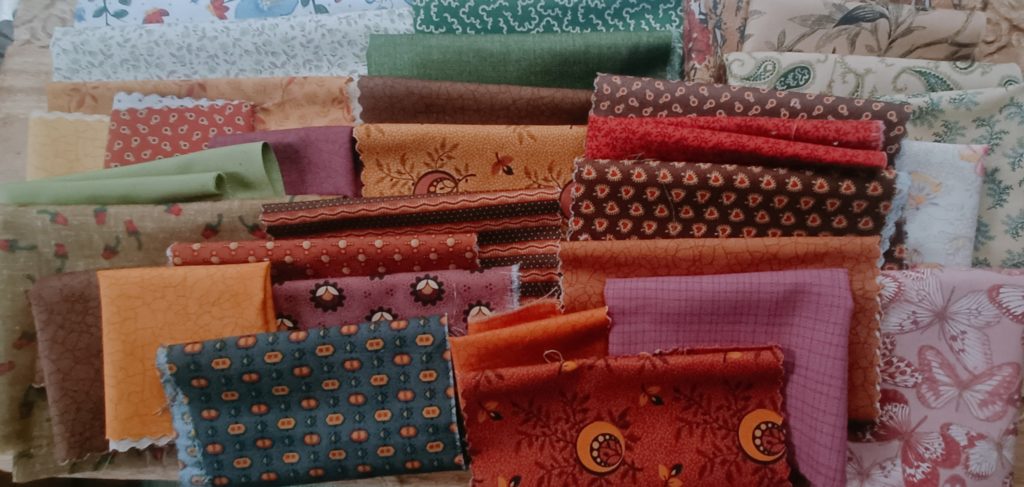
Over the years I’ve collected a lot of fabric. Linens, silks, vintage cottons, quilting pieces, odd scraps that were simply too beautiful to throw away.
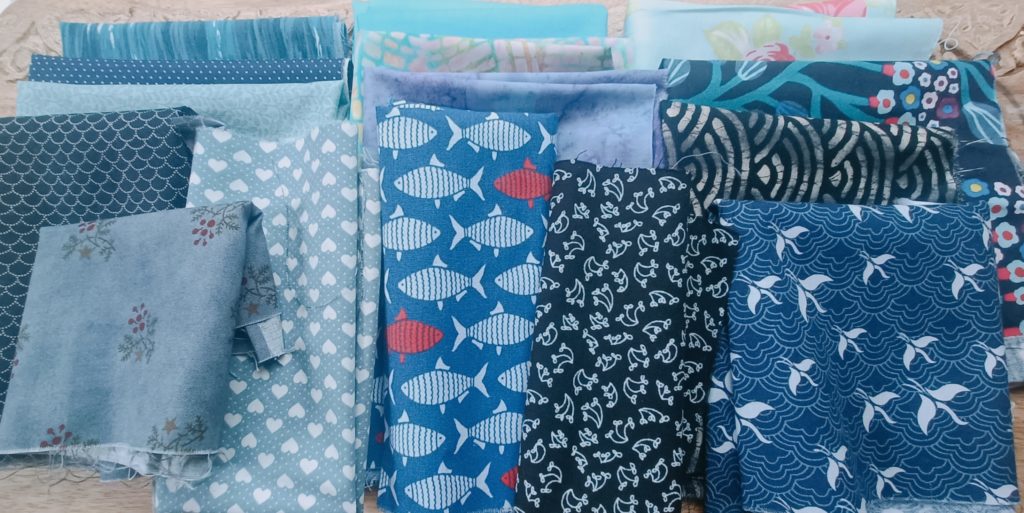
Many of them were rescued with good intentions. Some were bought for projects that never quite materialised. Others were leftovers from previous creative phases.
And I realised something important:
If materials are sitting unused in cupboards, they’re not really being honoured.
So instead of letting these beautiful remnants sit quietly in the dark, I decided to do something different.
I’ve started a Curated Scrap Shop.
By bundling these fabrics into thoughtful collections and offering them to fellow makers, the materials get a second life — in slow stitching projects, patchwork, junk journals, textile art, and whatever other creative ideas they inspire.
It feels like the most natural step toward a zero-waste studio.
Nothing wasted.
Everything re-loved.
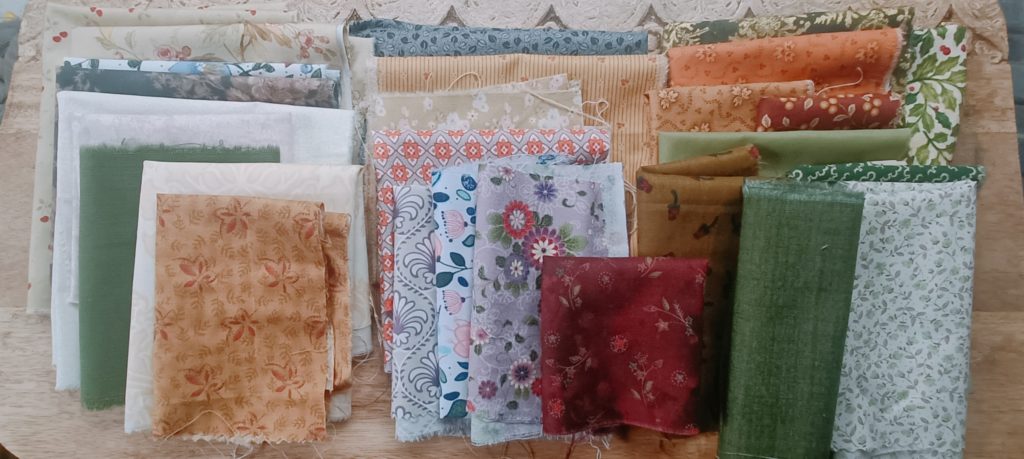
And most importantly, space reclaimed for the work I’m focusing on right now.
Making room for jewellery
At the heart of Loveday and Skip is jewellery.
Transforming old silver spoons into rings, shaping metal by hand, experimenting with textures and stones — these processes require not only tools, but also clear working space.
A cluttered bench makes it difficult to focus.
And on a narrowboat, every square inch matters.
By releasing my fabric stash back into the world, I’m creating room, both physically and creatively, for the next stage of the journey.
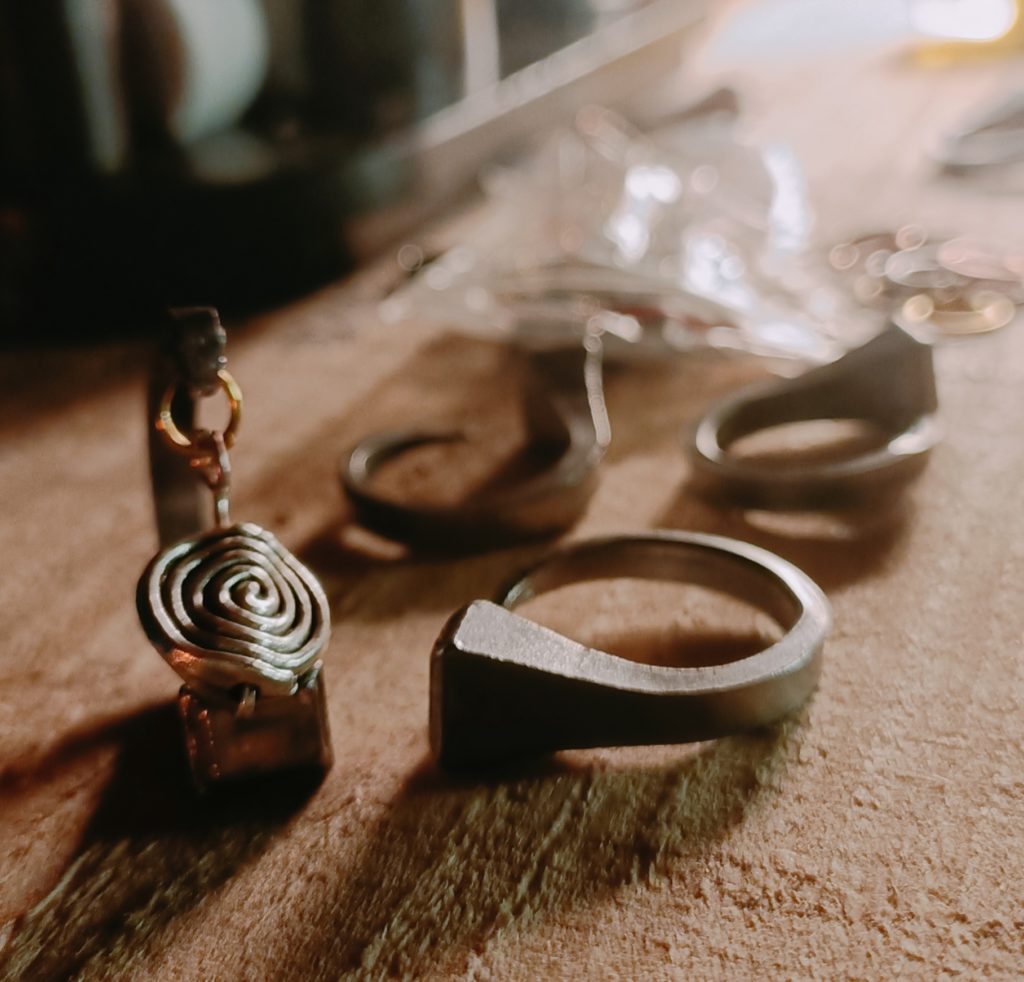
Jewellery will always sit at the centre of what we do.
But textiles will always be part of the story too.
They just don’t need to live on the boat anymore.
Why every nook and cranny counts
Living and working in a tiny space teaches you to see things differently.
A hook on the wall becomes tool storage.
A wooden box becomes a bead organiser.
A cupboard becomes half studio, half pantry.
Efficiency isn’t about perfection — it’s about intentional space.
Clearing the textile stash isn’t just a tidy-up.
It’s about protecting the calm, creative atmosphere that makes this little floating studio work.