Protection, Liminality & Power
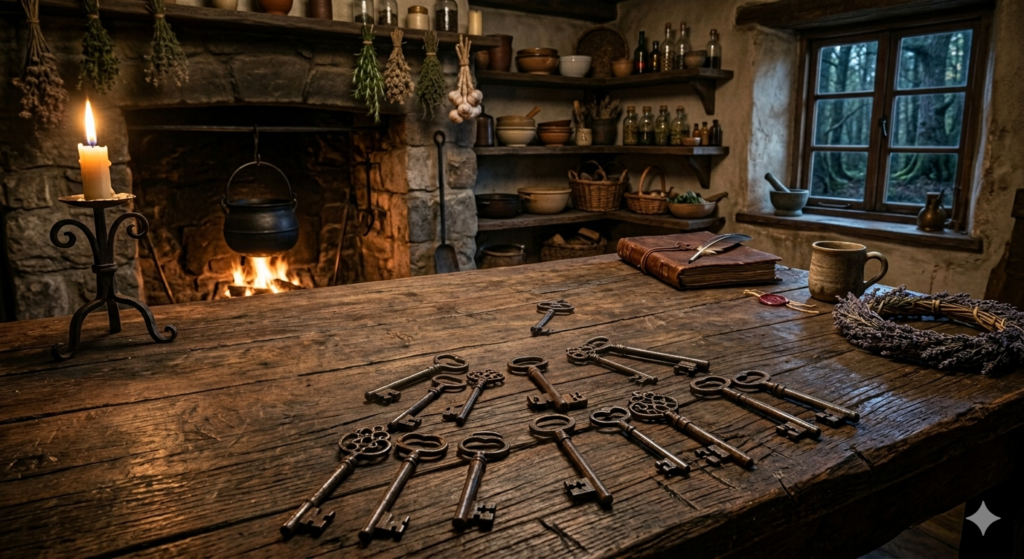
In folklore, keys represent more than just metal. Instead, they are symbols of authority, secrets and the transition between worlds. Welcome to the Folklore of Keys.
Keys have the power to reveal what is hidden or guard what is precious, they carry a heavy weight of ‘liminal’ magic, the magic of thresholds to another dimension.
Protection: Keys are ultimately tied to the home. Many cultures use them as talismans to keep out unwanted spirits or bad luck.
Iron Power: Historically, keys were made of iron. In European folklore, ‘cold iron’ is the primary weakness of the Fae (fairies) and malevolent spirits. Keeping a key under a pillow or in a crib was a way to ward off nightmares and ‘hag-riding’.
Upside down: Hanging a key upside down near an entrance was believed to prevent a witch from entering the house, as the key ‘locked’ the door against a supernatural intrusion.
The Three Keys of Luck
In Mediterranean and some Eastern European traditions, carrying three keys on a single ring is a powerful charm. Each key represents a specific pillar of a good life.
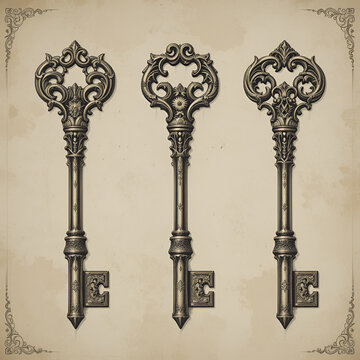
1. Wealth : To unlock financial prosperity.
2. Health : To unlock physical vitality.
3. Love : To unlock the heart of a desired partner.
Divine & Mythological Keepers
Many deities and legendary figures are defined by the keys that they carry, representing their control over specific realms.
Janus: The Guardian of the Gates
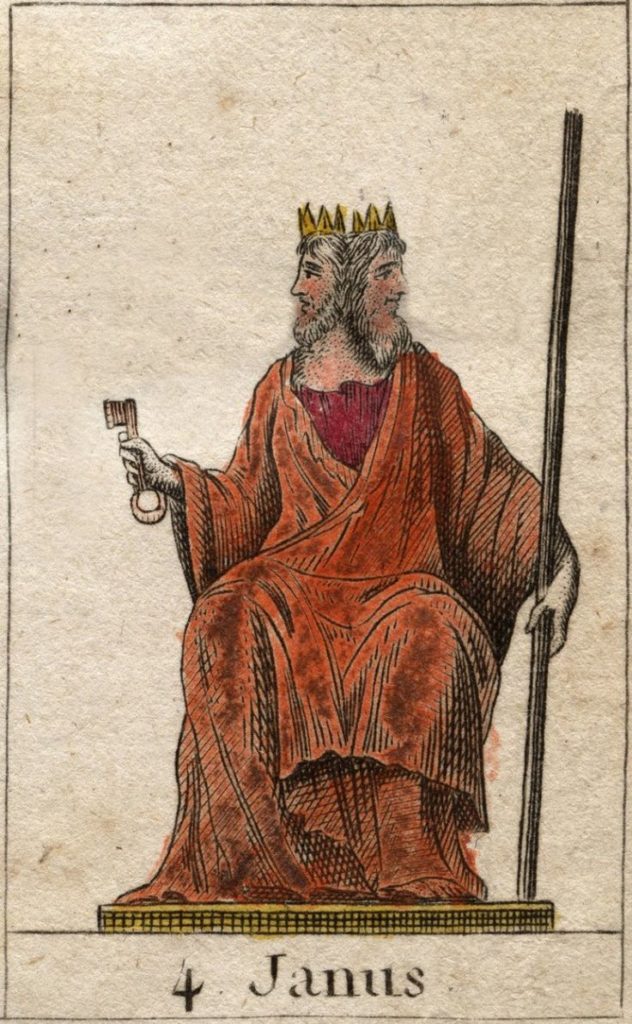
In the Roman pantheon, Janus stands as the ultimate deity of beginnings, endings, and transitions. Unlike other gods, he lacks a Greek counterpart; he is uniquely Roman, embodying the very concept of the “threshold.”
The Gatekeeper of War and Peace: His most famous temple in Rome featured “The Gates of Janus.” These remained open during war and stayed locked during peace, symbolizing his control over the safety of the empire.Janus: The Roman God of beginnings and transitions. The two-faced God, Janus holds the keys to the gate of the new year and the passing of the old.
The Two Faces: Janus looks simultaneously toward the past and the future. He holds the keys (claves) to the gates of Heaven and the opening of the seasons.
The Master of Time: As the “God of Gods” (Janus Pater), he unlocks the door to the New Year (January). The Romans believed that without his key, no prayer could reach the other gods.
Hecate: The Mistress of the Threshold
Beyond the sunlit world of the Olympians stands Hecate, the three-faced Queen of the Night and Goddess of the Crossroads. Known by the epithet Kleidouchos—the Key-Bearer—she holds the ultimate authority over transitions.
The Guardian of the Gate: In ancient Greece, people placed small shrines called Hekataion at their doorways. By hanging a key near these shrines, they invoked her protection, trusting the “Mistress of the Keys” to lock their homes against wandering restless spirits.Hecate: The Greek Goddess of the crossroads and magic. The Queen of the Night, she is the Kleidouchos (key-bearer), holding the keys to the paths between the living and the dead. She is the guardian of the underworld, and the gatekeeper of thresholds.
The Warden of Souls: Hecate carries the keys to the gates of Hades. She alone decides which spirits may pass and which must remain, acting as the bridge between the living and the dead.
The Cosmic Key: Ancient hymns describe her as holding the “Keys of the Universe.” This signifies her power to unlock the secrets of magic ($theia$ $mania$) and the hidden paths of the human psyche.
The Skeleton Key
The skeleton key is often associated with Hudu or folk magic. It is believed to open all doors ; including those of opportunity and legal favour.
Warding off the Fae
Furthermore, iron was believed to repel ‘ The Good Folk’ (faries) and malevolent spirits. Parents frequently placed a skeleton key in a child’s cradle to prevent them from being taken and replaced by a changeling.
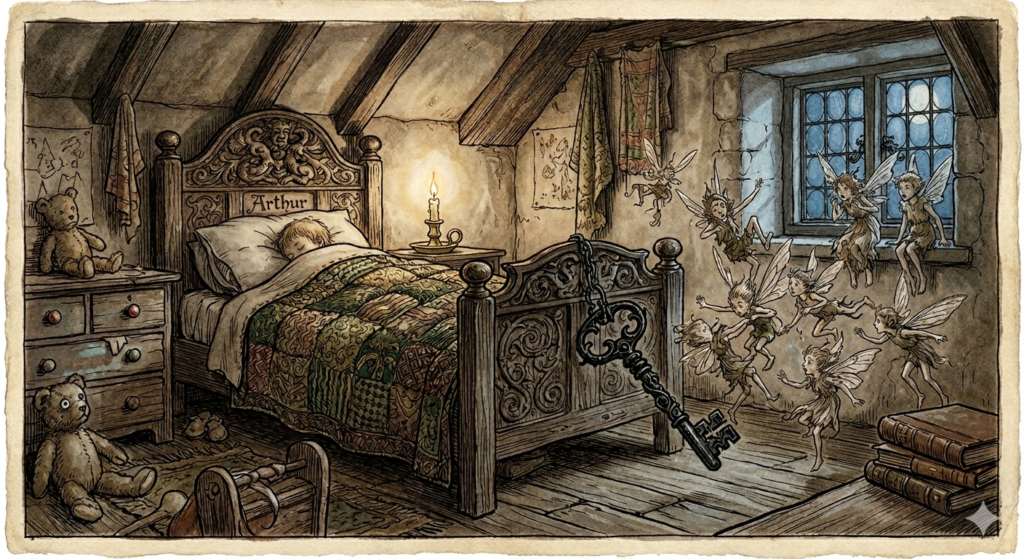
As nightmare protection, hanging a large iron key at the foot of the bed or underneath a pillow was a documented folk remedy for ‘sleep paralysis‘, historically called being ‘hag-ridden’. The iron ‘locked’ the dreamer’s spirit into the body, preventing the Old Hag from rising their chest.
The Key as Personal Amulet
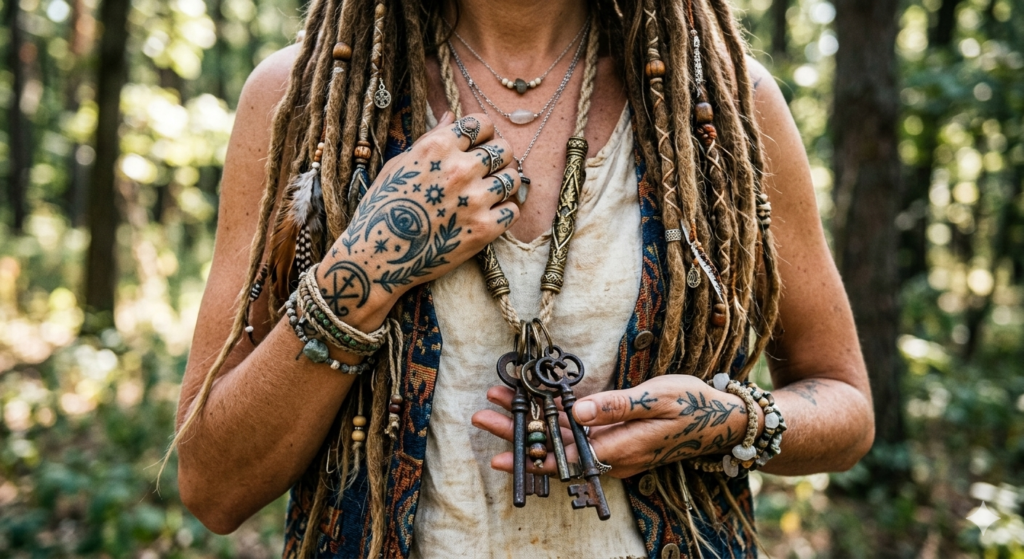
Archaeological finds across Europe and the Mediterranean prove that wearing keys as jewelry was a common practice, blending status with spiritual protection.
Roman Finger-Keys: Excavations frequently reveal “ring-keys”—small, functional iron or bronze keys worn on the finger. While they opened small jewellery caskets, they also served as “apotropaic” charms, believed to “lock out” the Evil Eye.
The Viking Mistress: In Norse culture, women of high status wore heavy iron keys prominently on their clothing (usually suspended from oval brooches). These keys signaled their absolute authority over the household’s resources and served as a badge of legal power.
The Protective Pendant: During the Middle Ages, wearing a skeleton key around the neck became a “sympathetic magic” ritual. Wearers believed the iron metal would physically repel “The Good Folk” (Fairies) while the shape of the key symbolically unlocked “favour” in legal or financial disputes.
Giving the Key
The tradition of giving a ‘key to the house’ at age 21 is a remenant of folklore signifying that a person is now ‘master’ of their own destiny and a keeper of the family’s secrets.
The Keeper of the Gate
Ultimately, a key is more than a tool of convenience; it is a bridge between the seen and the unseen. Whether it is an iron skeleton key barring the ‘Old Hag’ or a trio of charms beckoning prosperity, these objects grant us agency over the thresholds in our lives. When you turn a lock, you do more than move a bolt—you claim the power to choose which doors to close for your protection and which thresholds you are finally brave enough to cross. In that heavy, metal click, the ancient magic of the gatekeeper remains.
What secret doors are you ready to unlock? We all carry “keys” in our lives, whether they are physical heirlooms passed down through generations or symbolic boundaries we finally decide to set. I would love to hear from you—do you have an old skeleton key with a story, or a charm you wear for luck? Share your tales of thresholds and traditions in the comments below.