Alchemy in the Woods: My Sunday Morning Pewter Casting
An outdoor pewter casting workshop inspired by nature, craft, and ancient metalwork traditions.
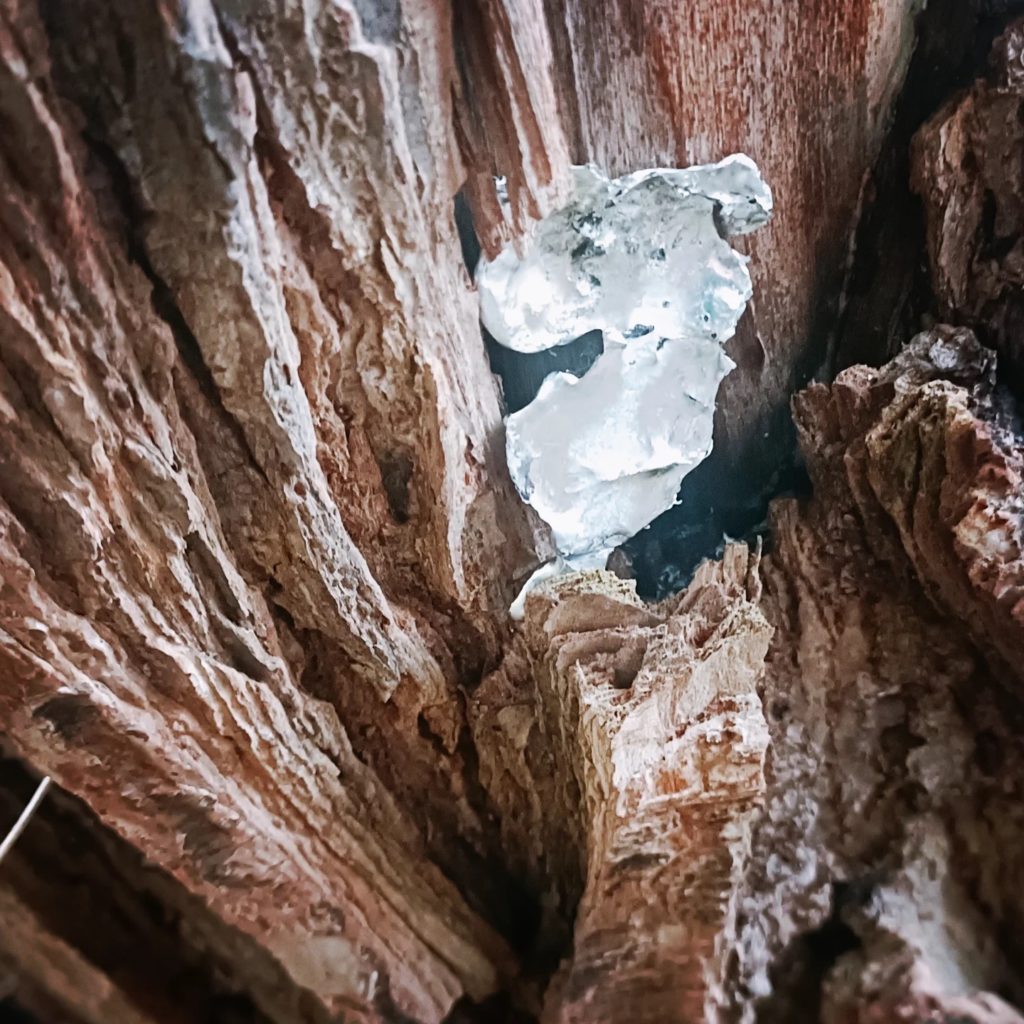
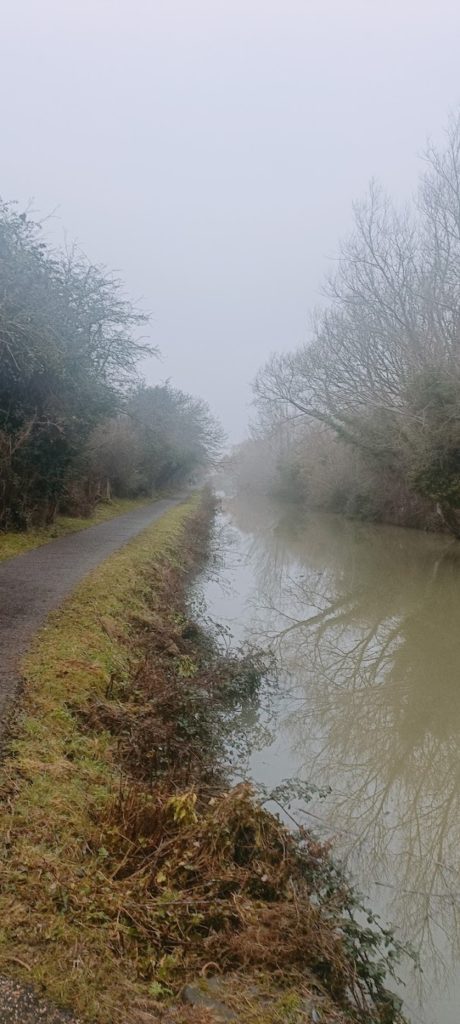
It was a properly murky Sunday morning when I set off along the towpath. You know the kind—where the mist is clinging to the canal and the air feels damp enough to drink.
I stepped off the gunwales of the narrowboat wrapped in about four layers, heading for Wolvercote Lakes on the edge of Oxford. The canal was already waking up: joggers huffing clouds of steam, dog walkers negotiating muddy paws, and the smell of wood smoke drifting from other boat chimneys.
I love this time of day. We all share this narrow ribbon of towpath for a few minutes—walkers, boaters, runners—before peeling away into our separate Sundays.
My destination was a little clearing by the lakes. I was there to meet a tutor named Katie and try my hand at something I’ve wanted to do for ages: Pewter Casting.
Iron vs. Pewter
Living with an ex-farrier, I’m used to metalwork involving noise. When Stewart works with metal at the wagon, it’s all ringing anvils, brute force and mutterings under breath.
Pewter is the complete opposite. It’s the “gentle” metal. It has a low melting point (around 170–230°C), which means you don’t need a blacksmith’s forge to work it. You can melt it over a camping stove or a fire pit.
I was intrigued to see if I could get my head around a metal that flows like water, rather than one you have to beat into submission!
The Setup: Leaves and Fire
Wolvercote Lakes felt like the perfect spot for this—tucked away, private, and feeling very “liminal” (that weird, lovely space between the city and the wild).
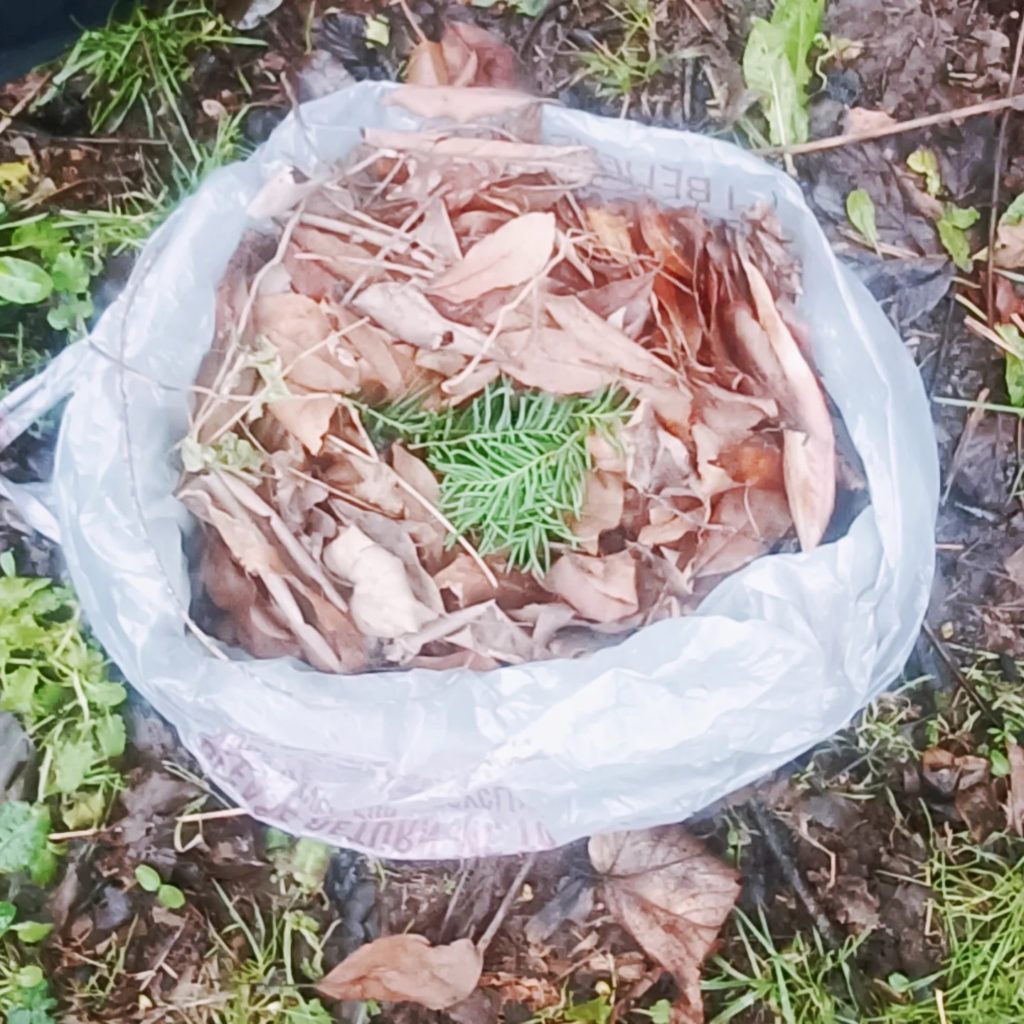
When I arrived, Katie had already set up a little field kitchen of creativity. The star of the show wasn’t the metal, though; it was the leaves. She had a hoard of them, all carefully pre-dried.
Important Note: They have to be dried. If you pour molten metal onto a wet fresh leaf, the water turns to steam instantly and the metal can “spit” or explode. (More on safety later!).
Each leaf was like a tiny skeleton—veined, textured, and waiting to be immortalised.
The “Merlin” Moment
Then came the alchemy.
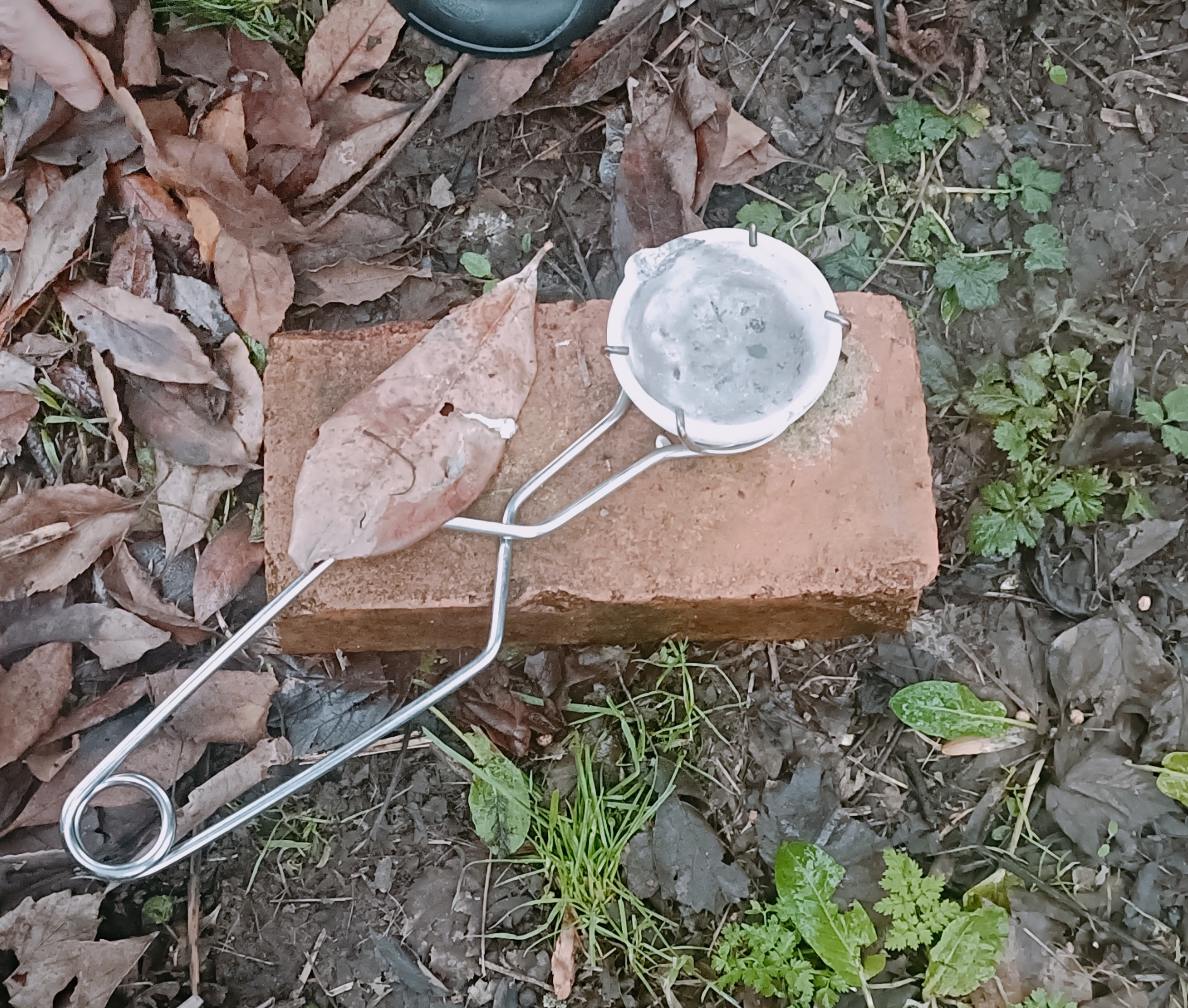
We placed chunks of solid pewter into a ladle and held it over the heat. Watching metal change state is genuinely spellbinding. It doesn’t slowly get soft like wax; it just suddenly surrenders. One minute it’s a solid lump, the next it’s a pool of shivering, silver liquid.
It’s impossible not to feel a bit “Merlin” when you’re doing this. Standing in the woods, smelling the wood smoke, holding a ladle of liquid silver… you can see why ancient people thought metalworking was a form of magic. It felt very spiritual, almost like a ritual.
The Pour: Capturing Nature
We used a free-form casting technique. No complex moulds or sand boxes here.
I laid my chosen leaf (a sage leaf, I think, with a lovely texture) on a heat-proof board. With a steady hand (and holding my breath!), I poured the molten pewter directly onto the back of the leaf.
The metal rushed into the veins and ridges, cooling almost instantly as it hit the air.
Because we weren’t using a mould, the edges found their own shape. The metal decided where it wanted to go. The results were beautifully organic—irregular, wobbly edges that looked less like “jewelry” and more like ancient relics we’d just dug up.
The Reveal
Once the metal had cooled (which only takes a minute or two), we peeled the leaf away.
This is the best bit. The leaf burns away slightly, but it leaves its ghost behind. Every tiny vein, every imperfection in the leaf surface was perfectly replicated in silver-grey metal.
I held the piece in my hand, and it had a lovely weight to it. It wasn’t flimsy. It felt like a solid memory of that specific leaf. No two were the same. Unlike Stewart’s nails, which are uniform until he works them, these started unique and ended unique.
Want to try it? (A Beginner’s Guide)
If you fancy having a go at pewter casting (and I highly recommend it!), here are a few things I learned from Katie.
1. What is Pewter? Modern pewter is mostly Tin (about 90%), mixed with small amounts of Copper and Antimony to make it harder.
- Fun Fact: Old pewter used to contain lead, which is why you shouldn’t eat off antique pewter plates! But modern “Britannia Pewter” is lead-free and safe to handle.
2. The Safety Bit (Read this!)
- Moisture is the enemy: Never pour hot metal into anything wet. Water expands 1600 times when it turns to steam. If that happens under molten metal, the metal flies everywhere. Dry your leaves thoroughly!
- Ventilation: Do this outdoors. Even lead-free pewter can give off fumes from the flux or the burning leaf.
- Eye Protection: Always wear safety goggles. “Pirate chic” is not a look you want to acquire by accident.
3. The Process in Steps:
- Melt: Heat the pewter in a ladle or crucible.
- Skim: Use a spoon to scrape off the “dross” (the scum that floats to the top) so the metal is shiny and clean.
- Pour: Pour smoothly and quickly. If you hesitate, the metal creates “tide lines.”
- Cool: Let it sit until it turns dull grey.
- Clean: Use wire wool to polish up the high points and make the veins pop.